Selling pasture or hay ground in Butler County can look simple from the road, but pricing and preparing rural land is rarely one-size-fits-all. You may have a tract that has been in the family for years, or you may be ready to sell land that no longer fits your plans. Either way, you need a clear picture of what buyers look for, what local records matter, and how to avoid costly surprises. Let’s dive in.
Know What Drives Value
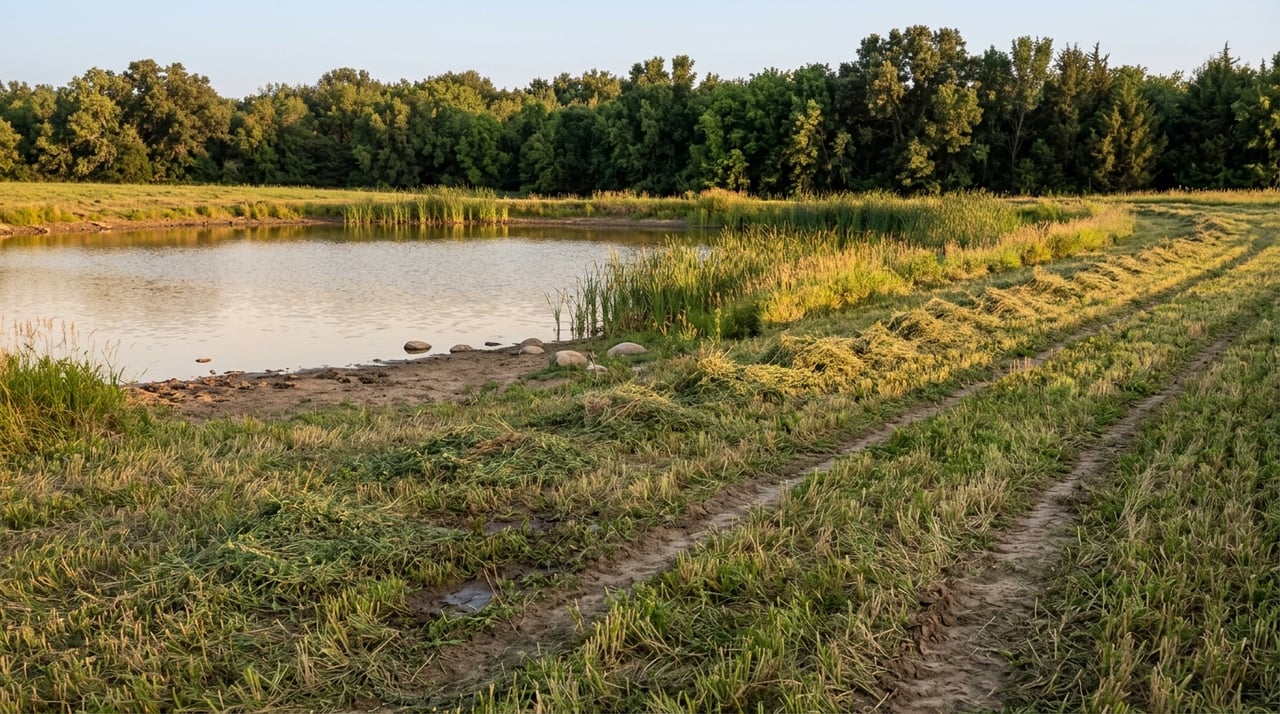
Butler County is the largest county in Kansas, and the land varies quite a bit from one tract to the next. The county describes the area as mostly grass-covered rolling hills with broad river valleys, which means drainage, access, and surrounding land use can change how a pasture or hay tract shows and sells.
That matters because countywide averages are only a starting point. A clean, accessible tract with usable water, solid fencing, and strong recreation appeal may attract more attention than a similar-sized parcel without those features.
In the broader south-central Kansas region, K-State’s 2025 land-values book reported an average pasture and hay value of $2,629 per acre, up 11.0% year over year. That gives you a helpful benchmark, but it is still a regional average, not a Butler County-specific sale price for your land.
Local tax and appraisal data also show why sellers need a tract-specific strategy. Butler County’s 2026 real estate report showed mixed movement in agricultural land and improvements, with 37.3% increased, 20.1% unchanged, and 42.6% decreased. Within that category, grassland showed a 0.0% median change, while dry crop and irrigated crop declined.
Appraised Value vs Market Price
One of the biggest points of confusion is the difference between tax appraisal and market value. In Kansas, agricultural land is valued for tax purposes based on agricultural income or productivity in its current use, not fair market value.
That means your pasture or hay ground does not automatically sell for its appraised value. A buyer’s offer is usually shaped by current demand, comparable sales, road access, water, fence condition, acreage size, and any other features that make the tract more or less useful.
This is especially important in Butler County, where grassland may move differently than cropland. K-State also noted that some Kansas land values have been supported by recreational buyers and 1031 exchanges, and that hunting access or energy development can raise value in some cases.
Use Local Income Signals Carefully
If your land is leased or could be leased, buyers may also look at income potential. USDA-NASS 2025 survey data showed Butler County pasture cash rent at $24.50 per acre.
That figure can help frame a conversation, but it should not be treated as a fixed rate for every property. Actual rent and sale appeal can vary based on forage quality, improvements, amenities, and the relationship between landlord and tenant.
Gather Your Documents Before Listing
Rural land sales move more smoothly when you have your paperwork organized early. Before your property hits the market, it helps to gather the documents a serious buyer will likely ask about.
Start with these basics:
- Current deed
- Complete legal description
- Any survey or plat
- Tax-notice mailing name and address
- Existing leases
- Access or easement documents
Butler County’s official resources make parcel research easier than in many places. The county provides access to tax information, GIS maps, real estate information search tools, and real estate recordings dating back to 1952.
If the property will eventually transfer by deed, recording requirements matter too. Butler County says recorded deeds must be original, signed and notarized, include a complete legal description, and include a Sales Validation Questionnaire or exemption number. The county also requires a tax-notice name and address on deeds.
Confirm Access Before You Market
Access issues can quietly hurt value or delay a deal. A buyer may love the grass, layout, and location, but if road frontage or legal access is unclear, the conversation can slow down fast.
Butler County Public Works notes that GIS road information is general only and may not include the most current pre-1991 records. For the most accurate road-width and road-status research, sellers may need information from the County Engineer’s Office, the Register of Deeds, and the Clerk of the District Court.
That is why it pays to verify access before photos, signage, or negotiations begin. If a buyer asks whether the tract has confirmed road access, you want a clear answer backed by local records.
Check Zoning and Land-Use Questions
Not every pasture or hay tract is just grass. Some properties include a farmstead, residence, or a possible future build site, and those details can affect how buyers view the property.
In Butler County, Community Development handles zoning, subdivision, floodplain, sanitary code, and on-site wastewater permits. If a buyer may want to build, divide, or change the use of the property, it is smart to check those issues before accepting an offer.
This step can save time and reduce misunderstandings. It also helps you market the property more accurately from the start.
Improve First Impressions
Pasture and hay ground may be rural, but presentation still matters. Buyers notice whether the property looks maintained, accessible, and ready to inspect.
One of the simplest ways to improve first impressions is weed control. Butler County’s Noxious Weed Department administers the Kansas Noxious Weed Law and identifies common local problem weeds such as field bindweed, sericea lespedeza, musk thistle, johnsongrass, common and cutleaf teasel, and amur honeysuckle.
Visible weed pressure can make buyers wonder what else has been neglected. On the other hand, cleaner field edges, manageable weed growth, and orderly access points can make the tract feel easier to own and operate.
It also helps to make sure gates work, access paths are usable, and fence lines are easy to identify. Since the county appraiser may inspect property after a recent sale or building permit, visible improvements and clear access can benefit everyone involved.
Be Careful With Controlled Burning
Some sellers think a quick burn will freshen up a pasture before photos or showings. In Butler County, that is not something to handle casually.
Controlled burning is regulated by state rules, the Flint Hills Smoke Management Plan, and Butler County Resolution 11-04. Local fire departments authorize burns in their districts, so you should verify timing and permissions before making plans.
If you are considering a burn as part of property prep, confirm the local requirements first. Last-minute assumptions can create unnecessary headaches.
Price With Comparable Sales, Not Guesswork
A strong asking price should reflect the tract itself, not just a regional average or tax statement. The best comparable sales are the ones that match your property as closely as possible.
For Butler County pasture or hay ground, important comparison points include:
- Land class
- Fence condition
- Water availability
- Road frontage
- Acreage size
- Access quality
- Recreation potential
- Other non-ag use potential
This matters because two grass tracts with the same acreage can perform very differently in the market. One may appeal mainly for forage, while another may draw interest for hunting, future use flexibility, or broader land investment goals.
Review Offers With the Right Lens
When offers come in, the highest number is not always the strongest offer. Terms, timing, access questions, due diligence expectations, and buyer plans can all affect how likely a deal is to close.
A practical review should separate tax appraisal, benchmark land-value data, and actual market demand. Kansas agricultural appraisals are use-value based, while K-State’s land publications are benchmark averages. Your final sale price still depends on what buyers are willing to pay for your specific tract in the current market.
Pay Attention to Closing Timing
Closing dates can have tax-record timing consequences. Butler County’s Register of Deeds says deeds and plats must be recorded by October 15 to be reflected in the 2026-year tax notices.
If a deed is recorded after that date, it rolls into the next tax cycle. That does not mean you cannot close later, but it is a useful deadline to understand as you negotiate timing and expectations.
Why Local Guidance Matters
Selling rural land is different from selling a house in town. Pasture and hay ground often involve access research, land-use questions, leases, fencing, and tract-specific value factors that are easy to overlook if you treat the property like a standard listing.
That is where practical, local guidance matters. When you understand the records, prep the land properly, and price it based on real Butler County conditions, you give yourself a much better chance of attracting serious buyers and reaching a smoother closing.
If you are thinking about selling pasture or hay ground in Butler County, working with someone who understands rural property can make the process a lot more straightforward. Carlee Campbell offers practical, boots-on-the-ground help for land sellers who want clear advice, strong marketing, and a plan built around the property itself.
FAQs
Does Butler County pasture or hay ground sell for appraised value?
- No. In Kansas, agricultural appraisals are based on productivity and current use for tax purposes, while market price depends on buyer demand and comparable sales.
What documents should you gather before selling land in Butler County?
- You should gather the current deed, full legal description, any survey or plat, tax-notice mailing information, and any lease or access documents before listing.
What local issues can reduce pasture or hay ground value in Butler County?
- Common issues include weed pressure, uncertain access, unclear road frontage or right-of-way, floodplain concerns, and missing documentation.
What features can help a Butler County grass tract sell better?
- Good access, visible weed control, sound fencing, usable water, and possible recreation or other alternative-use appeal can all help a tract stand out.
Should you verify access before listing land in Butler County?
- Yes. GIS road information is general only, so sellers should confirm road status and access through the appropriate county offices when questions exist.
Why should Butler County sellers check zoning or floodplain issues before accepting an offer?
- If a buyer wants to build, divide, or change the use of the property, early review of zoning, subdivision, floodplain, sanitary code, and wastewater issues can help prevent delays or misunderstandings.