A single cold snap can burst a pipe, crack a spigot, or take down a limb over your driveway. If you live in Spring Hill, you know winter can swing from mild to icy in a hurry. Whether you’re in your first home or you manage a few acres, a simple plan can save you time, money, and stress. This guide gives you a prioritized checklist, timing tips, and local resources you can trust. Let’s dive in.
Quick high-priority checklist
- Disconnect and drain exterior hoses, then shut off and drain outdoor spigots.
- Winterize irrigation and backflow devices before the first hard freeze.
- Insulate exposed pipes in crawl spaces, basements, and garages; seal cold air leaks.
- Service your furnace early and test carbon monoxide detectors.
- Test your generator and confirm a safe transfer switch setup.
- Prune hazardous tree limbs before snow or ice events.
When to winterize in Spring Hill
Plan early tasks in September and October. Aim to finish outdoor winterization before the first hard freeze, which often arrives in October or November in the Kansas City area. Cold snaps and ice can continue through early spring, so keep an eye on updated forecasts.
For local timing and alerts, check the National Weather Service Kansas City office and follow Johnson County Emergency Management for seasonal advisories.
Step-by-step winterization
Exterior hoses and hose bibs
- What to do now
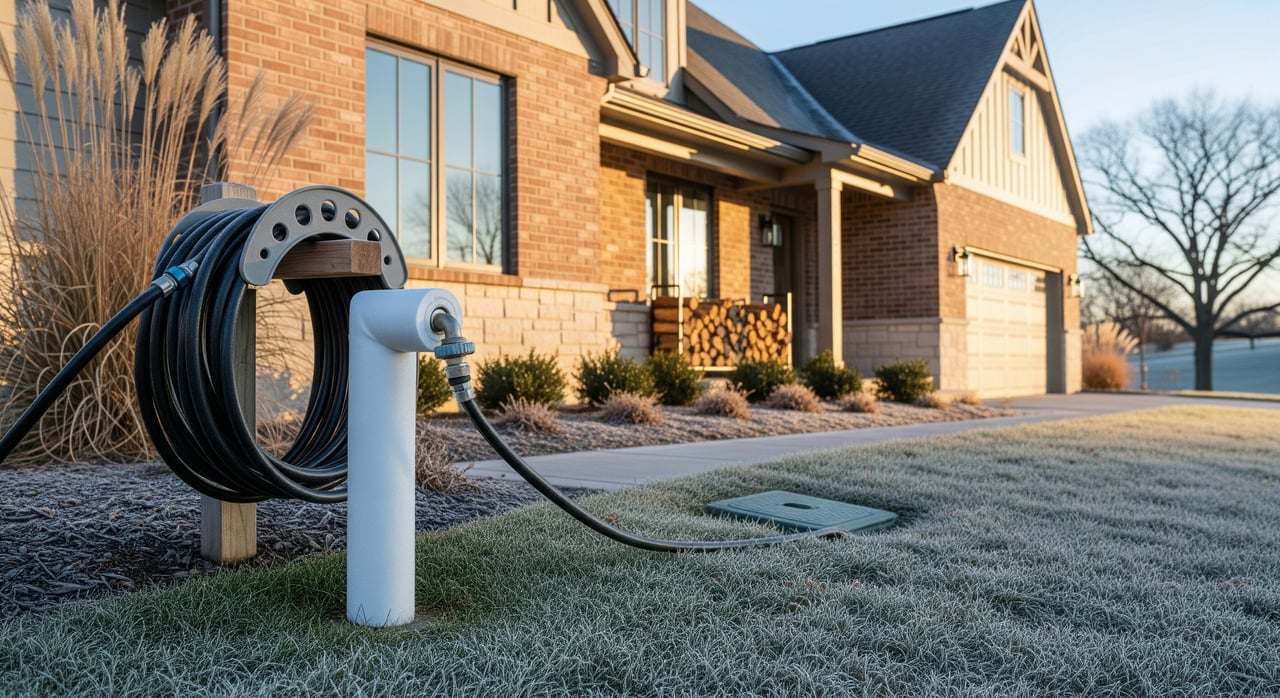
- Disconnect, drain, and store garden hoses indoors.
- If your spigots have interior shutoffs, close the valve, then open the exterior spigot to drain. If not, consider having shutoffs added.
- Add foam covers to exterior spigots. Consider upgrading to frost-free sillcocks if you’ve had past freeze issues.
- Signs of trouble
- Drips or leaks once temperatures rise, reduced indoor water pressure, or visible cracks around the spigot base.
- When to call a pro
- If you lack shutoff valves or have had repeated freeze damage, a licensed plumber can add shutoffs and install frost-free spigots.
Irrigation and backflow devices
- What to do now
- Blow out irrigation lines with compressed air or hire a professional.
- Winterize backflow preventers per manufacturer instructions and local code.
- Why it matters
- Leftover water expands as it freezes and can split lines or damage valves.
Interior plumbing protection
- What to do now
- Insulate exposed pipes in unheated areas like crawl spaces, garages, and unfinished basements.
- Seal gaps at rim joists, sill plates, and around plumbing penetrations so cold air does not reach pipes.
- During extreme cold, open cabinet doors under sinks and let a trickle of water run on vulnerable lines.
- Materials
- Foam pipe insulation sleeves, fiberglass wrap, and spray foam or rigid foam for sealing rim joists.
Crawl spaces: seal, insulate, and stay dry
- Why it matters
- Unconditioned crawl spaces can freeze pipes, waste heat, and trap moisture that leads to mold and rot.
- What to do now
- Check for standing water and improve drainage if needed.
- Install or repair a continuous vapor barrier on the ground.
- Insulate rim joists and any exposed plumbing.
- Seal penetrations and the access hatch to limit cold air entry.
- Know your options
- Many homes do better with a sealed, conditioned crawl space. For energy and moisture guidance, review the Department of Energy’s crawl space resources in Energy Saver.
- If you are weighing ventilation changes, also consider radon. The EPA’s radon guidance is a good starting point.
- Watch for problems
- Frost on pipes, musty odors, visible mold, or pest activity indicate a need for repairs.
Heating system readiness
- What to do now
- Schedule a furnace or boiler service early in the season and replace filters regularly.
- Test carbon monoxide detectors and place them near sleeping areas per manufacturer guidance.
- Why it matters
- Regular maintenance improves efficiency and reduces the risk of mid-winter breakdowns.
Generator safety and backup power
- Choose your setup
- Portable generators cost less but require safe outdoor placement and a proper transfer method.
- Standby generators start automatically, power more circuits, and need professional installation.
- Safety musts
- Never run a generator indoors or in a garage. Review CO safety from the CDC’s generator guidance and power-outage safety from the NFPA.
- Use a transfer switch or professionally installed interlock. Store fuel in approved containers and rotate it.
- Cold-weather tips
- Some units need synthetic oil for low temperatures. Standby units may benefit from battery warmers or enclosures.
Tree care before snow and ice
- Why prune in winter
- Trees are dormant in late fall and winter, which reduces stress and helps you see structure and hazards more clearly.
- What to do now
- Prune out dead, cracked, or hanging branches and any limbs that threaten your roof, driveway, or outbuildings.
- Do not top trees. For large or risky work or trees near power lines, hire an ISA-certified arborist and coordinate with the utility.
- Local guidance
- For species timing and best practices, consult the Johnson County K-State Research and Extension office.
Gutters, roof, and drainage
- What to do now
- Clean gutters and downspouts so meltwater drains away from the foundation.
- Check for loose shingles, flashing issues, and areas where ice could form.
- Extend downspouts to discharge several feet from the house.
Snow and ice plan
- What to do now
- Stage shovels, ice melt, and sand. Service your snow blower.
- Keep vehicles fueled and stocked with emergency kits.
- Assign who clears what and where the melt and plowed snow should go.
Small-acreage checklist for Spring Hill
- Wells and wellheads
- Insulate and protect exposed well components. If you use heat tape or small heaters, ensure they are rated for wells and installed to code. See the KDHE’s Private Well Program for guidance.
- Livestock waterers
- Insulate or heat waterers and maintain backup water options in case heaters fail.
- Keep access lanes to barns and pens clear for regular care and emergency access.
- Septic systems
- Avoid driving heavy equipment over drainfields when soils are wet or frozen. For best practices, review KDHE’s Onsite Wastewater resources.
- Driveways and gates
- Plan snow removal routes for long drives. Keep fuel on hand for tractors or plows and ensure gates latch and swing freely in icy conditions.
- Trees and fencing
- Prioritize pruning trees that could fall on fences, barns, or service lines. Inspect fence lines after storms.
- Equipment storage
- Winterize tractors and mowers. Store fuel safely in approved containers and maintain batteries.
Materials and tools to gather
- Foam pipe insulation, fiberglass wrap, and spray foam for gaps.
- Frost-free sillcocks, foam spigot covers, and hose gaskets.
- 6-mil or heavier polyethylene for crawl space vapor barriers and seam tape.
- CO detectors with fresh batteries and a spare furnace filter set.
- Generator accessories: transfer switch, extension cords rated for outdoor use, approved fuel containers, and a battery maintainer for standby units.
- Pruning tools for small branches and contact info for an ISA-certified arborist.
After winter: what to inspect
When the freeze risk fades, usually by mid to late April, begin reversing winterization. Turn on exterior spigot shutoffs and check for leaks as lines pressurize. Inspect gutters, roofs, and trees for damage from ice or wind. Confirm your irrigation system is intact before the first watering cycle.
Before scheduling spring work, verify forecasts with the National Weather Service Kansas City office to avoid turning things on too soon.
Local help and trusted resources
- Weather and alerts: National Weather Service Kansas City office and Johnson County Emergency Management.
- Home energy and crawl spaces: Department of Energy’s Energy Saver crawl space guidance.
- Generator and CO safety: CDC generator safety and NFPA power-outage safety.
- Health and environment: EPA radon and KDHE’s Private Well Program and Onsite Wastewater guidance.
- Pros to consider: ISA-certified arborists, licensed plumbers for exterior faucet upgrades and irrigation blowouts, licensed electricians for transfer switches and standby generators, and local HVAC contractors for furnace service.
Ready to protect your investment?
If you want a quick walkthrough of your home or acreage winter priorities, or you’re planning a winter listing and want to avoid cold-weather surprises, reach out. As the Kansas Land & Home Expert, Carlee Campbell offers practical, local guidance that keeps your property safe and ready for the season. Let’s talk about your land or home — connect with Carlee today.
FAQs
When should Spring Hill homeowners winterize hoses and irrigation?
- Before the first hard freeze, often in October in the Kansas City region. Blow out irrigation lines and protect backflow devices in early fall.
Should I close crawl space vents in Kansas?
- It depends on your home. Many climates favor sealed, insulated crawl spaces, but soil moisture, radon, pests, and HVAC design matter. Review DOE guidance and consult local experts.
Are frost-free spigots a complete solution to freezing?
- They reduce risk significantly but still need proper installation and pitch. Interior shutoffs and insulating exposed piping remain smart practice.
How can I run a portable generator safely at my Spring Hill home?
- Only use it outdoors, away from doors and vents. Use a transfer switch, store fuel safely, and follow CDC and NFPA safety guidance.
When is the best time to prune trees in Johnson County?
- Late fall through late winter is often ideal while trees are dormant. Species and local disease cycles matter, so check K-State Extension guidance and hire an arborist for large or risky work.