Are you staring at open acreage near Mound City and wondering which fence will do the job without breaking the bank? You are not alone. Fencing choices can feel overwhelming when you are balancing livestock needs, local terrain, and long-term upkeep. In this guide, you will learn the best fencing options for Linn County land, how to match a fence to your goals, and what to budget for installation and maintenance. Let’s dive in.
Choose by purpose first
Before picking materials, define what you want your fence to do. Your goals shape everything from cost to post spacing.
- Contain cattle for pasture rotation
- Create safe horse paddocks near the home
- Keep sheep or goats in and predators out
- Mark boundaries on recreational tracts
- Add privacy or curb appeal around a homesite
Once your purpose is clear, you can choose the right type with fewer regrets.
Top fencing options in Mound City
Barbed wire
Barbed wire uses twisted wire with barbs, usually on wood or steel posts with strong corner and gate braces. It works well for cattle and long perimeter lines where visibility is not critical.
- Best for: Economical cattle perimeter fencing over long distances.
- Pros: Lower material cost per foot, simple build, common in local pastures.
- Cons: Not safe for horses, weak for small animals, needs periodic tightening.
- Durability: Galvanized barbed wire can last many years, but corrosion and sagging happen over time depending on coating and exposure.
Tip for Linn County: On low ground near creeks or the Marais des Cygnes River, plan for flood debris. Use stronger bracing and expect occasional repairs.
Woven field wire
Woven wire is a mesh of horizontal and vertical wires that creates a grid. It is effective for small livestock and pets and can work for deer control when taller meshes or top wires are added.
- Best for: Sheep, goats, calves, small-animal control, and yards.
- Pros: Strong barrier for small animals, more secure than barbed alone.
- Cons: Heavier and more expensive, needs sturdier posts and bracing, vulnerable to fallen trees.
- Durability: Heavier gauge and good galvanizing extend life, though rust can develop in wet areas without proper coatings.
Tip for Linn County: In wooded boundaries, expect more maintenance. Fallen limbs and brush along riparian edges can deform mesh.
High-tensile smooth wire
High-tensile smooth wire is a high-strength steel wire installed at tight tension with proper bracing and hardware. It can be used as multiple strands and can be electrified for added control.
- Best for: Long perimeters for cattle and mixed livestock, especially when you want fewer posts.
- Pros: Lower long-term maintenance when installed correctly, fewer line posts, safer for horses than barbed when using smooth wire, cost-effective on long runs.
- Cons: Requires correct installation and good end bracing, repairs need some experience, poor installation fails quickly.
- Durability: With galvanized or aluminized coating and maintained tension, it can perform for decades.
Tip for Linn County: Freeze and thaw cycles can shift corners. Invest in quality end assemblies and check tension seasonally.
Privacy, board, and post-and-rail
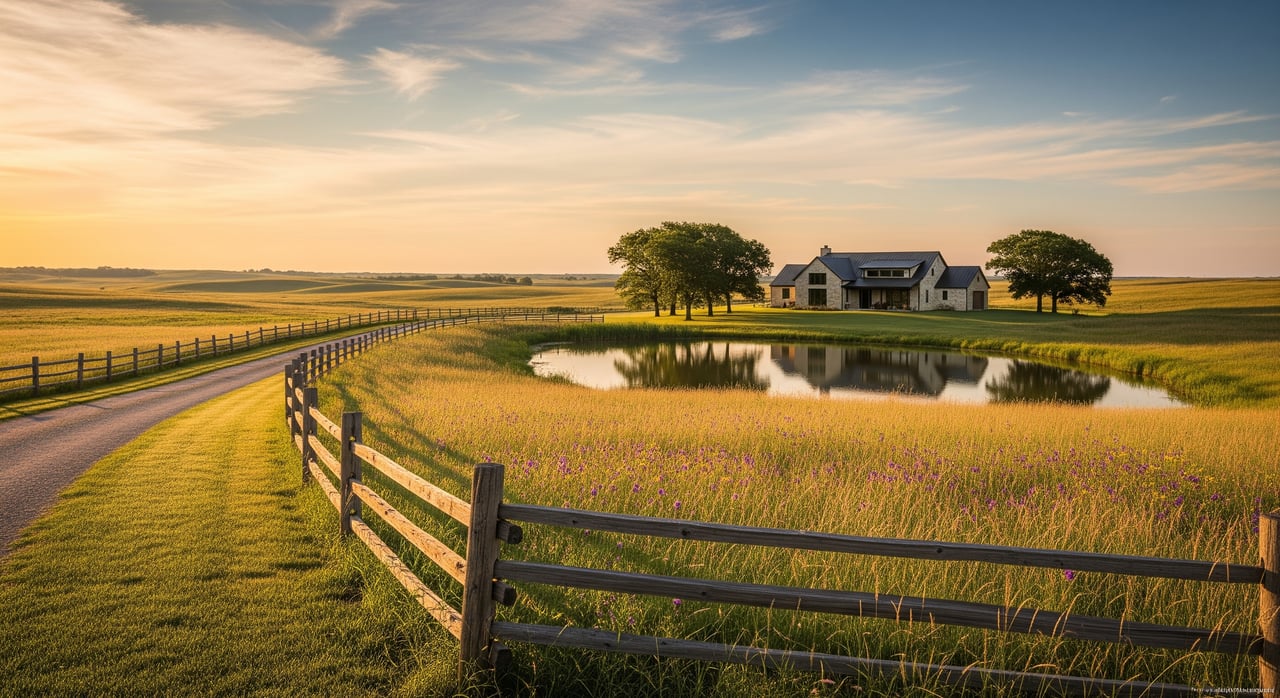
Wood board or rail fences and vinyl alternatives add visibility and curb appeal. They are often used around homes and horse paddocks.
- Best for: Horse safety, yard containment, and attractive home boundaries.
- Pros: Highly visible and horse friendly, looks great near houses, effective for dogs and children.
- Cons: Higher upfront cost, wood needs painting or staining and rot control, impractical across many acres.
- Durability: Treated wood lasts longer with maintenance. Vinyl is lower maintenance but can be damaged by impact or long sun exposure.
Tip for Linn County: Use treated posts and plan for routine upkeep. Combine a visible top rail with a hot wire to reduce cribbing and chewing.
Match fences to animals
- Cattle: Barbed wire or multi-strand high-tensile are common. High-tensile is popular for long runs due to fewer posts and good longevity.
- Horses: Avoid barbed wire. Choose board, vinyl rail, or smooth high-tensile rails with a visible top line. Add a hot wire if you have predator or stray concerns.
- Sheep and goats: Use woven mesh with small openings. Goats often need closer post spacing and a top hot wire since they are skilled at escaping.
- Mixed herds: Many owners use a durable perimeter with high-tensile and interior cross-fencing with portable electric polywire for rotation.
- Wildlife and deer: Deer can clear 7 to 8 feet. For protection, consider taller woven options or offset hot wires to discourage jumping or crawling.
Local factors that matter
Climate and soils
Eastern Kansas has humid summers and cold winters. Freeze and thaw can loosen posts, and spring rains can saturate the ground. In wet or flood-prone areas, use treated wood or steel posts and concrete footings for heavy gates to reduce leaning and rot.
Vegetation and brush
Field edges and riparian zones often carry dense brush. Plan for heavier posts and additional bracing along wooded lines, and expect regular clearing to keep wire from sagging.
Wildlife and predators
Deer, turkeys, raccoons, and coyotes are common. If small stock or pets are a priority, choose tighter meshes and consider electrification. Secure gates so animals cannot slip under or push through.
Property layout and access
Acreage perimeters get long fast. If you only need to mark boundaries on a recreational tract, you may not need full fencing everywhere. Plan wide gates and approach paths that fit your equipment, and limit gate count to control costs.
Regulations, easements, and utilities
Always verify boundary lines with a survey before building. Check Linn County rules for setbacks and any road or right-of-way fencing requirements. Call 811 before digging to locate buried utilities.
Budget and cost planning
Fencing budgets hinge on the type, terrain, and details you choose. Focus on total perimeter feet rather than acres alone.
- Major cost drivers: material type and gauge, post type and spacing, terrain and site access, gate count and widths, brush clearing or old fence removal, and labor rates.
- Relative cost guide: barbed wire is usually the lowest per foot for long perimeters, high-tensile and standard woven wire are mid-range depending on setup, and board, vinyl, privacy, or tall deer fencing land at the higher end.
- Planning tip: request two to three itemized bids from local contractors. Ask for separate line items for materials, labor, gates, removal, and site prep.
- Lifetime costs: a cheaper fence up front may need frequent tightening or repairs. Factor in maintenance when comparing options.
- Small areas: expect higher per-foot costs around homes, horse pens, and yards where materials and aesthetics differ from pasture lines.
Installation and upkeep tips
Layout and planning
Start with a current survey, then mark corners on the ground. Map gate locations, lane access, and corner placements. If you plan rotational grazing, sketch interior cross-fences and sacrifice areas near waterers.
Posts and bracing
Use larger, sturdier corner and gate posts than line posts. Woven wire generally needs closer line post spacing than high-tensile designs. In wet or freeze-prone spots, choose treated timber or steel posts set for the conditions.
Tensioning and hardware
High-tensile wire needs proper tension with approved strainers, clips, and end assemblies. Use galvanized or aluminized wire and quality fittings in our humid climate to extend lifespan.
Electrification
Combining a physical barrier with a hot wire improves control without resorting to heavier builds. Make sure your ground system and charger size match your layout. Solar energizers are useful for remote areas.
Maintenance
Walk your fence annually and after storms to spot sagging wire, broken posts, and brush buildup. Keep lines tight, replace broken boards, and swap out rotten posts before damage spreads.
Smart setups for common goals
Cattle pasture perimeter
Choose high-tensile smooth wire with solid end bracing for long runs. Add a hot strand if you need extra respect from calves. Use steel posts in wet soils to reduce rot.
Horse paddocks and lanes
Go with visible board or vinyl rail for safety near the home. Add a visible top line or a hot wire to discourage leaning and chewing. Keep gate hardware horse safe and easy to latch.
Sheep and goat enclosures
Use sheep or goat mesh with smaller openings. Tighten post spacing and add a top hot wire for climbers. Patrol for spots where goats may test the fence.
Mixed or rotational grazing
Install a durable perimeter, then use portable electric polywire or additional high-tensile strands for interior paddocks. This keeps costs down and gives you flexibility as seasons change.
Wildlife and deer management
If deer pressure threatens gardens or small orchards, consider taller woven options or strategic offset hot wires. For large tracts, focus on protecting key areas rather than fencing everything.
Quick planning checklist
- Verify property lines with a survey before layout.
- Walk the site for flood zones, slopes, and brush density.
- Call 811 before digging post holes.
- Define your primary goal: containment, predator control, privacy, or pasture management.
- Choose materials by animals, budget, and your maintenance tolerance.
- Plan gate count, widths, and equipment access.
- Get two to three detailed local bids with references and photos of similar projects.
- Set a maintenance schedule and budget for repairs and replacement.
- Ask local extension, NRCS, or conservation offices about best practices and possible cost-share programs.
Ready to plan your acreage
The right fence for Mound City balances purpose, terrain, and long-term care. If you set clear goals and match materials to our local conditions, your fence will work hard for years. When you are weighing options for a new purchase or planning upgrades before listing, local guidance can save you time and money.
If you want practical, Linn County specific advice while you shop or prepare to sell, reach out to Carlee Campbell. You will get straightforward guidance that fits your land, your budget, and your timeline.
FAQs
What fence works best for cattle on Linn County pasture?
- Multi-strand high-tensile smooth wire or barbed wire are common choices. High-tensile is favored for long runs because it needs fewer posts and has lower long-term maintenance when installed correctly.
Is barbed wire safe for horses near Mound City homesites?
- No. Horses should avoid barbed wire. Choose board or vinyl rail, or smooth high-tensile rails with a visible top line. Add a hot strand if needed.
How do I keep goats from escaping on my acreage?
- Use goat or sheep woven mesh with smaller openings, closer post spacing, and a top hot wire. Goats are adept climbers, so plan for vigilant maintenance.
What should I consider if my property has low, wet ground?
- Use treated wood or steel posts and strong corner braces. Place heavy gates and braces on firmer ground when possible, and expect more frequent inspections after heavy rains.
How do I estimate fencing cost for my property?
- Calculate total perimeter feet, not just acres. Get two to three local bids that itemize materials, labor, gates, removal, and site prep. Compare lifetime maintenance, not just upfront price.
Do I need permits or to mark utilities before digging?
- Verify property lines with a survey, check Linn County setback and right-of-way rules, and call 811 before digging to locate buried utilities.