Thinking about buying a rental in Fort Scott? With manageable prices, steady local demand, and a walkable historic core, this small southeast Kansas city can be a smart place to build long-term cash flow. You want clear numbers, practical tips, and local rules in one place so you can move with confidence.
This guide gives you a grounded view of prices and rents, who is renting, which property types work, and how to run the numbers. You will also get a step-by-step checklist and the key Kansas landlord rules to know before you close. Let’s dive in.
Fort Scott at a glance
Fort Scott is a compact market with a population around 7,560 and a relatively high share of residents age 65+ (about 23%), according to the latest U.S. Census QuickFacts for Fort Scott. Median gross rent is about $755, and the median value of owner‑occupied homes is about $100,500. Private market trackers often show a higher average value across active inventory; for example, Zillow’s Home Value Index has been in the ~120,000 range recently. Differences reflect methods and timing, so use both as context and confirm any target property with MLS comps.
Local demand gets support from Fort Scott Community College and steady heritage tourism connected to the Fort Scott National Historic Site. Economic development groups like Bourbon County REDI and the Fort Scott Area Chamber work on grants and downtown improvements, which can add momentum. At the same time, small markets can feel service changes faster, such as recent emergency‑department shifts covered in local news. Underwrite with a buffer and keep an eye on updates like this report on hospital services.
Property types that work here
Single‑family rentals
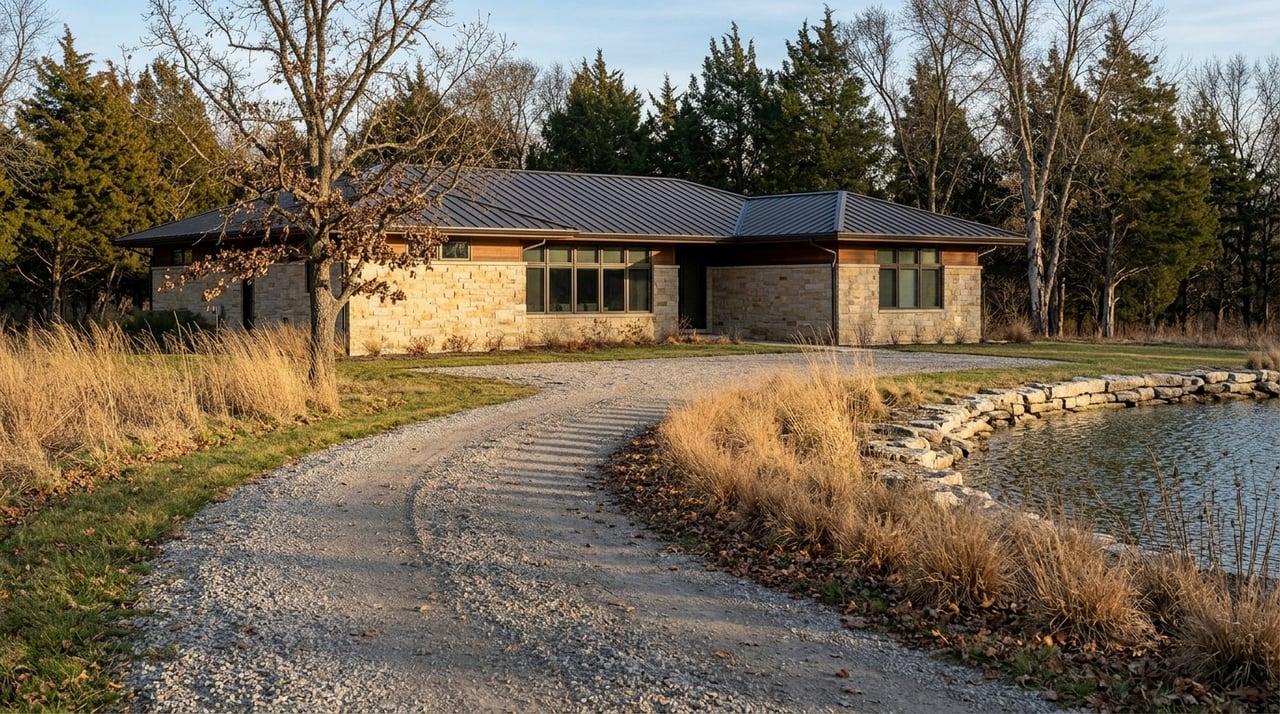
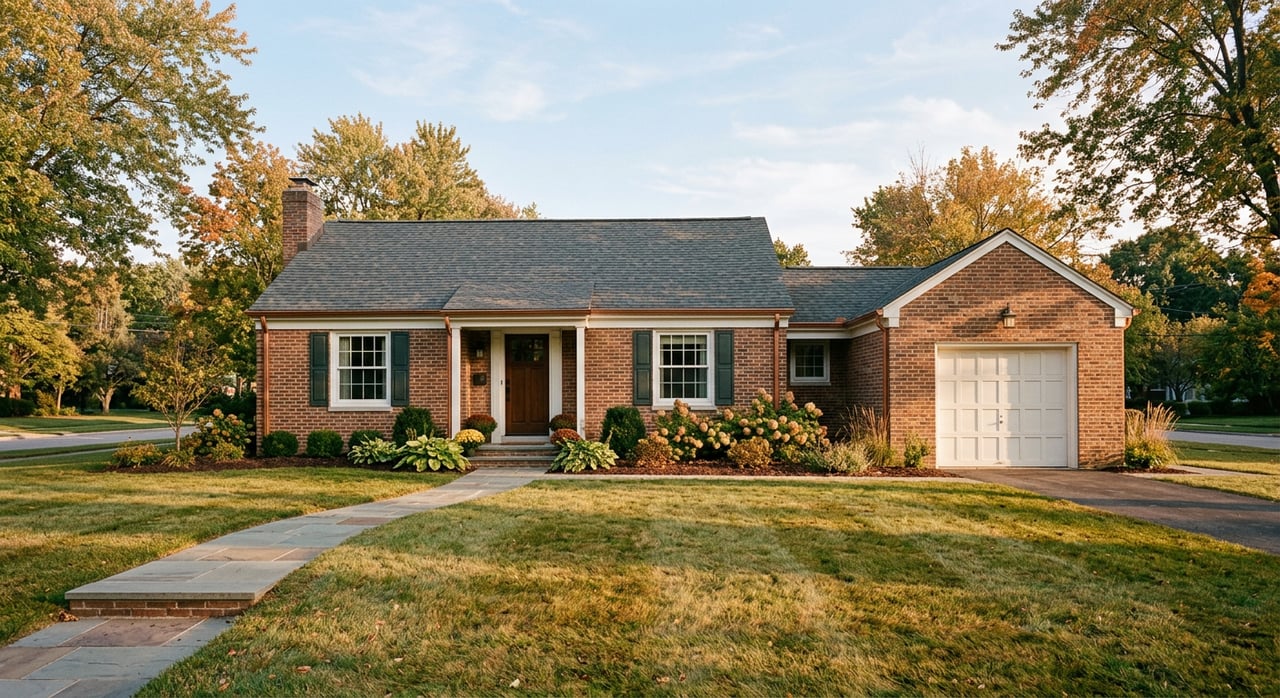
You will find the most inventory in single‑family homes. These are often the easiest to finance and manage. In many recent seasons, standard rental houses have traded from the low five figures up to the low six figures, with a good amount of inventory under $150,000. Always verify with MLS comps before you offer.
Small multi‑unit (2–4 units)
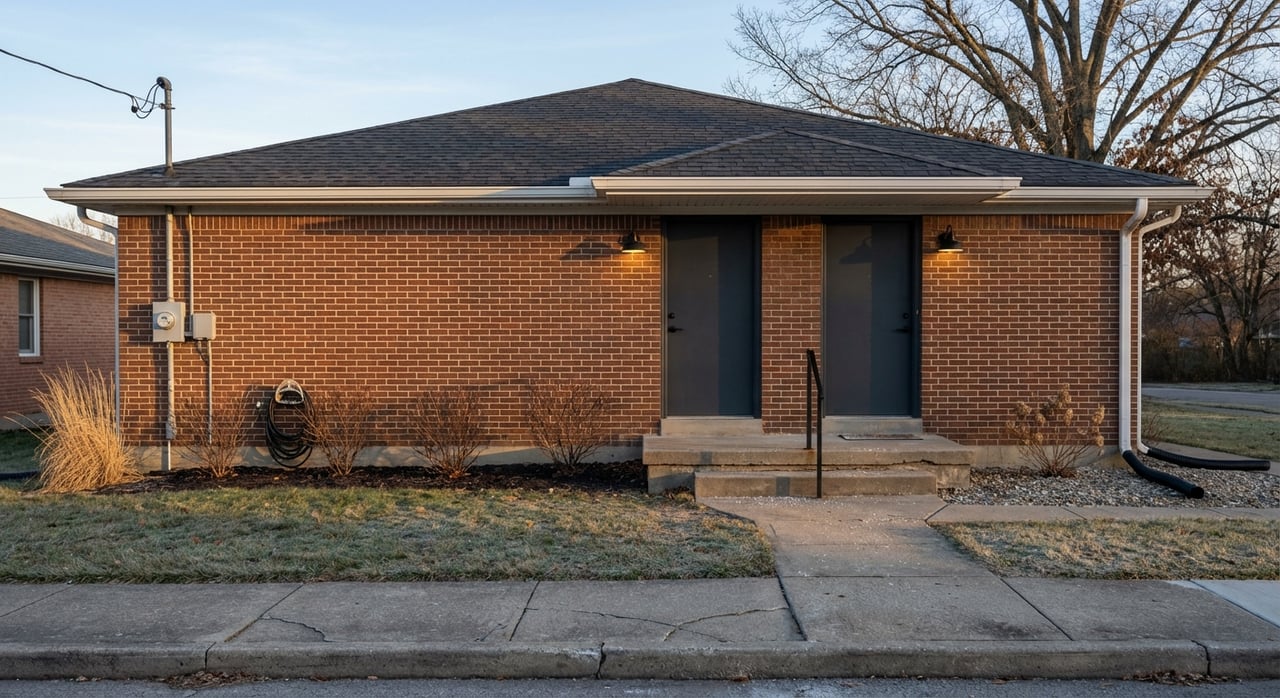
Duplexes and small apartment buildings exist in pockets. If you plan to live in one unit, some owner‑occupant loan programs allow 1–4 units, subject to lender rules. These buildings can help you spread maintenance costs across more units, but they are less common, so be patient when hunting for the right one.
Historic mixed‑use buildings
Downtown storefronts with apartments above can be compelling value‑add opportunities. These properties can produce two income streams, but plan for historic‑district review and higher rehab standards near the national site. Learn more about downtown’s historic context from the National Park Service page for Fort Scott, and factor review timelines into your hold period.
Student‑oriented rentals
The college calendar creates seasonal leasing patterns. Smaller 1‑ and 2‑bedroom units near services can perform well when aligned with term starts. For program context, see the FSCC academic catalog, then confirm current enrollment and on‑campus housing details as you build your rent comps.
Manufactured‑home lots or small parks
This is a niche segment with different rules and management needs. If you go this route, line up experienced contractors and verify all local requirements with the City before you close.
Prices, rents, and quick math
You want a fast way to screen potential buys before you run a full pro forma.
- Median gross rent sits around $755 per month in Fort Scott, per Census QuickFacts. That is a helpful anchor for basic math while you pull live comps.
- Many single‑family rentals in recent years have priced below $150,000, with some well under that number, though quality and location vary. Always confirm current pricing with MLS data.
- A simple filter is the gross rent multiplier (GRM): price divided by annual gross rent. Example: $755 × 12 = $9,060. If a property is listed at $120,000, GRM ≈ 13.2. GRM ignores expenses. Use it only for quick screening.
- To estimate yield, use the cap‑rate formula: cap rate = net operating income ÷ price. For a refresher on definitions and how to think about cap rates in small markets, see this plain‑English overview of cap rates. Then plug in your own expense lines and a realistic vacancy factor.
Tip: Because small markets can have thin inventory and lumpy data, never rely only on averages. Pull 3–5 true comps for the same bedroom count and condition before you bid.
Who rents in Fort Scott
- Local workforce renters tied to public services, education, retail, and small manufacturing. Programs from groups like Bourbon County REDI can influence where new jobs land over time.
- Students and staff connected to the community college. Build lease dates around the FSCC academic calendar and confirm transportation options.
- Older adults and retirees, given a sizable 65+ population. Single‑story and smaller units often attract interest.
- Heritage travelers and visitors during events. If you consider short‑term rentals, confirm local rules first. Proximity to the Fort Scott National Historic Site helps during peak periods, but small towns often limit STRs.
The bottom line: demand is modest but steady. Underwrite with conservative vacancy and turnover cushions.
Landlord rules and local compliance
- Security deposits and timelines. Kansas limits security deposits and sets return rules under K.S.A. §58‑2550. Review the statute text and align your lease and procedures with state law. You can read the statute at the Kansas Revisor of Statutes.
- City permits and codes. The City of Fort Scott posts permit and code information online. There is not a clearly posted citywide rental‑registration program on the public site as of the latest content, so do not assume one exists. Confirm your property’s needs with the City Clerk or Planning at fscity.org before closing.
- Historic‑district review. Downtown buildings within the historic area can trigger design review for exterior changes, which adds time and cost. Use the National Park Service page for context and talk with city staff early in your due diligence.
Management, expenses, and realistic reserves
Small towns depend on a short list of managers and contractors, so build your bench early. Third‑party management for single‑family or small multi‑unit properties commonly runs 8–12% of gross rent in markets like Fort Scott. Verify current quotes before you set your pro forma.
For expenses, set conservative assumptions upfront:
- Vacancy: 6–10% is a reasonable starting range for single‑family in small markets unless your comps prove lower.
- Maintenance and operating costs: Run a line‑item budget for taxes, insurance, utilities you cover, routine repairs, capital reserves, and management fees. Use simple rules of thumb only as a cross‑check.
- Older homes: Budget for roof, HVAC, electrical, plumbing, and any lead or asbestos issues if present. Code upgrades can be required during rehab, so confirm scope with City of Fort Scott permitting.
Step‑by‑step deal checklist
Follow this practical sequence to protect your downside and speed up your analysis:
- Market check
- Ask your agent for 6–12 months of MLS sold comps and days on market for similar properties near your target address. In small markets, live MLS data is the best read on value and momentum.
- Build rent comps
- Pull 3–5 current rental comps with the same bedroom count, condition, and neighborhood. Use Census QuickFacts as a high‑level rent anchor, then cross‑check with current listings, such as a local example on Zumper.
- Set vacancy and expenses
- Start with a conservative vacancy factor, then price insurance, taxes, water/sewer if applicable, lawn/snow, repairs, and management fees. Use the cap‑rate and GRM math as quick filters, then run full NOI and monthly cash‑flow scenarios. For a refresher on definitions, see this cap‑rate overview.
- Inspect capital needs
- Order inspections and contractor walk‑throughs. On older homes, expect envelope and system updates. For downtown assets, add time for historic review.
- Pick financing and plan your exit
- Confirm whether you will use owner‑occupant 1–4 unit financing, a conventional investment loan, or a local bank product. Underwrite to cash flow today and a reasonable 5–10 year resale.
- Confirm legal and city requirements
- Align your lease and deposit rules with K.S.A. §58‑2550 via the Kansas Revisor site. Check permits, nuisance rules, and any local licensing with the City at fscity.org.
- Build your local team
- A connected agent or manager can deliver comps, property management quotes, and contractor intros. For broader business resources, the Fort Scott Area Chamber and Bourbon County REDI are helpful touchpoints.
Practical scenarios to test
- Entry‑level single‑family: A 2–3 bed home priced near $110,000–$140,000. Can you support the payment with rent comps around the market median, plus your full expense load and a 6–10% vacancy? Run base, best, and worst cases.
- Small duplex: A side‑by‑side with modest finishes. If one unit covers 70–90% of your payment, does the second unit give you the buffer you need after maintenance and management? Consider the effect of one unit sitting vacant.
- Downtown mixed‑use: A retail bay with two apartments above. If you underwrite a tenant improvement allowance for the storefront and slightly higher turnover, do the residential units carry the debt during gaps in commercial tenancy? Add historic review time to your schedule.
Key takeaways
- Fort Scott offers low entry prices compared with metro markets, but you should underwrite conservatively due to thinner liquidity and service changes that can affect demand.
- Expect median rents near $755, and confirm your exact target with current comps. Use GRM and cap rates only as screening tools, then build a full NOI.
- The best fits for many small investors are single‑family rentals and 2–4 units, with mixed‑use properties rewarding careful due diligence.
- Know your Kansas landlord rules for deposits and returns, and verify local permits with the City before you close.
Ready to evaluate a property or build a short list tailored to your goals? You will move faster with a local guide who can pull MLS comps, check permits, and line up contractors. If you want practical, boots‑on‑the‑ground help in Fort Scott and the surrounding towns, connect with Carlee Campbell for a no‑pressure game plan.
FAQs
What are average rents in Fort Scott for long‑term leases?
- The U.S. Census lists median gross rent around $755 per month; always verify your specific bedroom count and condition with 3–5 live comps in the neighborhood.
How do I quickly screen a Fort Scott rental deal?
- Use GRM as a first pass (price ÷ annual rent) and a cap‑rate estimate for yield, then build a full NOI with vacancy, maintenance, taxes, insurance, and management priced in.
Which Fort Scott property types fit first‑time landlords?
- Single‑family homes and 2–4 unit properties are the most accessible to buy and finance; historic mixed‑use can work but typically requires more time, cash, and permits.
What Kansas landlord rule should I know before leasing?
- Security deposits are capped and must be returned on a timeline under K.S.A. §58‑2550, with written itemization if you keep any portion; align your lease and processes with the statute.
Do I need a rental license in Fort Scott right now?
- The City does not clearly post a citywide rental‑registration program on its public pages; confirm current requirements with the City Clerk or Planning before you buy or lease.
How does the college affect Fort Scott rentals?
- Fort Scott Community College creates seasonal demand for smaller units; align your marketing and lease start dates with the academic calendar and verify current enrollment trends.