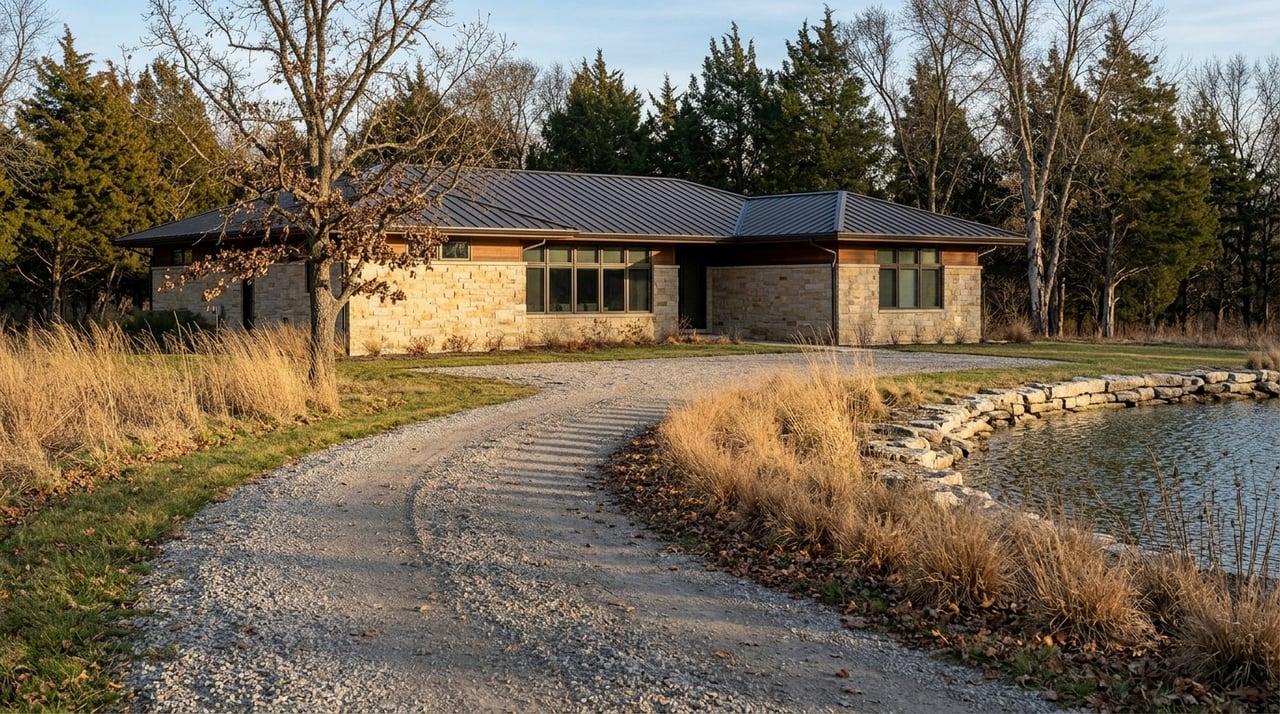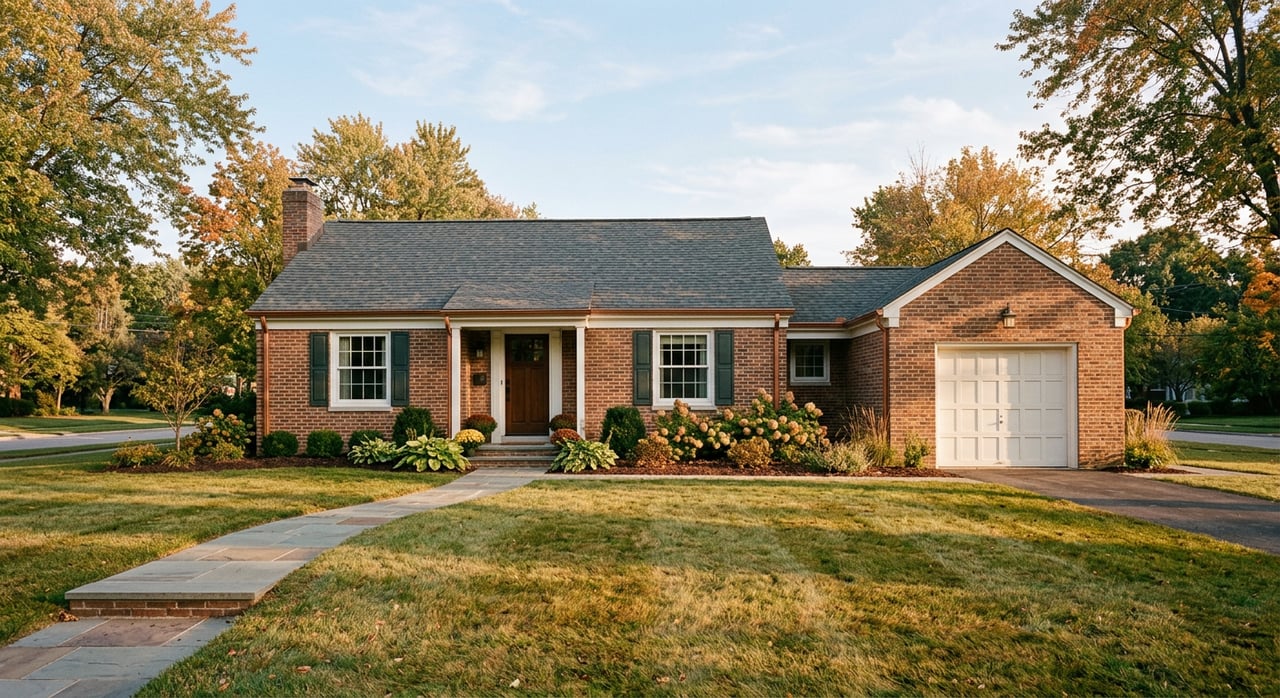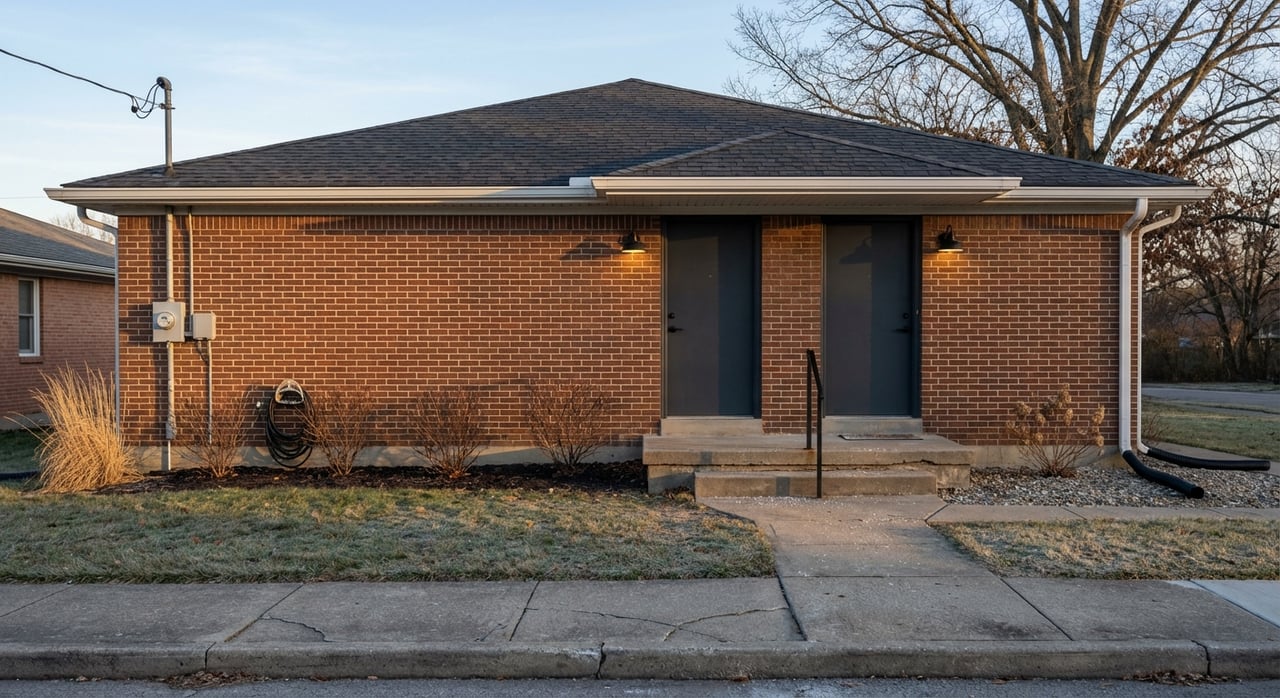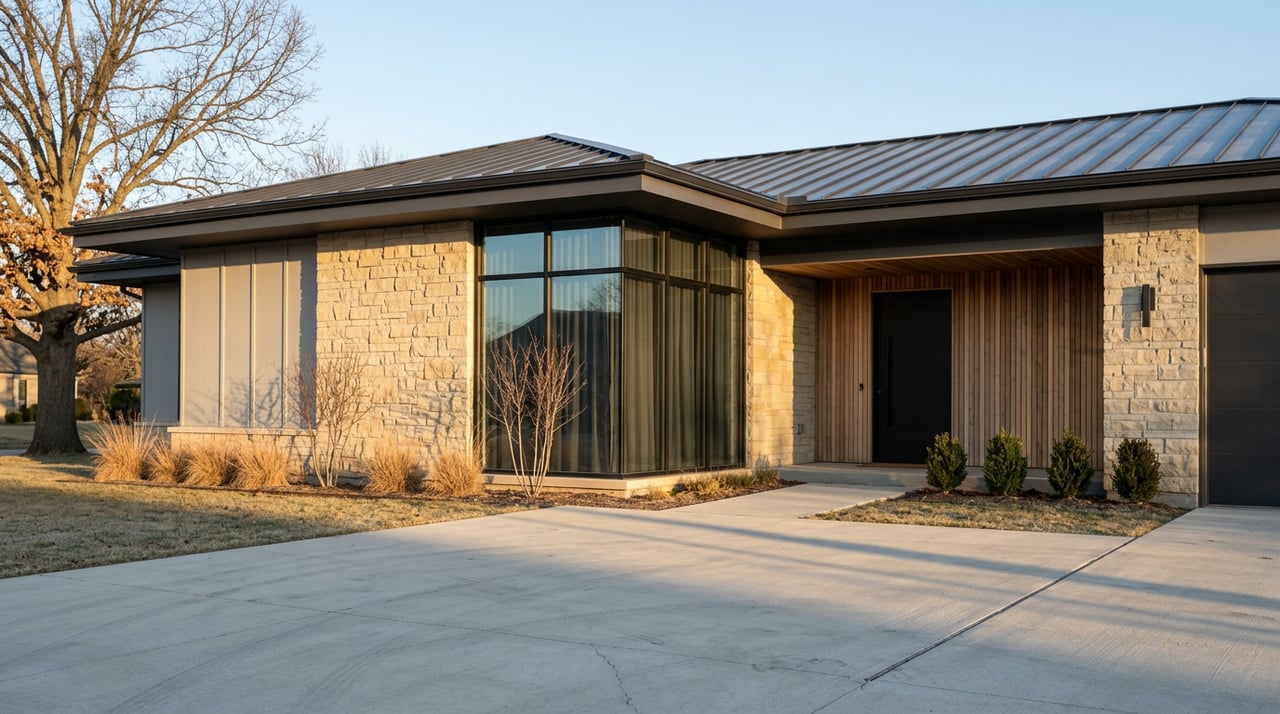
Trying to choose between a brand-new build and an existing home in Louisburg? You are not alone. It is a big decision that affects your budget, timing, and how you will live day to day. In this guide, you will get clear, local context on price ranges, timelines, lot sizes, warranties, and what to expect with each path so you can move forward with confidence. Let’s dive in.
Louisburg market snapshot
Louisburg single-family prices often land in the low-to-mid hundreds of thousands. Recent portal snapshots show medians roughly in the 310,000 to 390,000 range. Exact numbers change with the data window and what each site counts, so use a fresh MLS pull for the most accurate picture before you write your offer.
New construction in town commonly includes production and twin-home plans that start in the upper 200,000s to low or mid 300,000s. You will also find higher-end options on premium or lake lots that can reach into the 600,000s. In-town subdivision lots tend to be around a quarter acre. Larger acreage outside city limits is available and typically costs more.
If you need to move quickly, existing homes usually offer the fastest path to closing. If you want modern systems and lower near-term maintenance, new construction can be a strong fit, as long as your timeline allows for it.
New construction: what to expect
Price ranges and availability
Production and twin-home plans in Louisburg often start in the upper 200,000s to low 300,000s, with semi-custom and premium-lot options moving into the 400,000 to 600,000 plus range. New-home inventory in town can be limited at any given time, so if you want a specific plan or lot type, prepare to act when something fits.
Lots and neighborhood feel
In-town subdivision lots often measure about 0.2 to 0.3 acres. That is a manageable yard for many buyers and keeps upkeep simple. If you want elbow room, larger lots and acreage exist outside city limits, though those sites typically come at a higher price and may involve different utilities or septic.
Timeline to move-in
Plan for a longer runway than a resale purchase. National data shows average single-family completion times around 9 to 10 months, depending on build type and region. Spec homes already underway can be much faster, sometimes a few months. Custom or semi-custom paths typically take longer due to permitting, selections, and site conditions. Review estimated completion dates, how delays are handled, and any price escalation clauses before you sign. For national context on recent build times, see this industry overview of longer build cycles and contributing factors from Pro Builder: supply-chain roadblocks and build times.
Financing differences
Construction financing is not the same as a standard mortgage. Many buyers consider a construction-to-permanent option, which combines the build and the long-term loan in a single closing. Lenders set rules for documentation, draw schedules, reserves, and how long the construction period can last. Review these early with an experienced loan officer and make sure the loan timeline fits your builder’s schedule. For program details, explore Fannie Mae’s overview of construction-to-permanent products.
Warranties and builder incentives
Most new homes come with a builder-backed warranty. A common structure is 1 year for workmanship, 2 years for systems, and 10 years for structural coverage. Always get the warranty in writing and ask who administers claims. Learn more about the typical coverage model from 2-10 HBW’s overview of home builder warranties.
Builders sometimes offer incentives on spec homes to speed up sales. These can reduce closing costs or fund upgrades. Incentives change quickly and depend on lender approval, so confirm the details and deadlines in writing.
Pros and cons of new construction
Pros
- Modern layouts, energy efficiency, and up-to-code systems with lower immediate maintenance needs.
- Builder warranty protection for early-years defects.
- Chance to choose finishes or small plan tweaks if you buy early in the process.
Cons
- Longer timeline to move in compared with existing homes. For national averages and context, see Pro Builder’s summary on build times and supply challenges.
- Potential price premium for new product and smaller in-town lots at entry price points.
- New HOAs and community fees may evolve over time. Review budgets, reserves, and rules closely. For a primer on how HOA assessments work, read Nolo’s guide to special assessments.
Existing homes: what to expect
Price and lot patterns
Louisburg’s existing stock includes older ranches and bungalows, as well as homes from the 1990s and 2000s. Prices vary by age, size, and lot. In-town, you will often see a spread from about 190,000 to the low 500,000s. Properties with acreage outside the city can go higher. Established neighborhoods may also offer mature trees and larger yards compared with many newer in-town lots.
Speed to close
If you need to move soon, existing homes usually close faster than a new build. A typical financed purchase can wrap up in about 30 to 45 days from contract acceptance, while cash deals can close more quickly. For a straightforward overview of the steps to closing, review this consumer guide to the home buying timeline.
Maintenance reality
Older homes can require more near-term maintenance. A common planning rule is to set aside around 1 percent of your home’s value per year for upkeep and small projects, although real spending varies. For a data-backed look at what homeowners actually spend on maintenance and improvements, see Angi’s State of Home Spending.
Inspections and negotiation
Existing homes allow for full independent inspections. You can usually negotiate repairs or credits based on findings. Builder contracts often handle issues through a punch-list process and may limit certain inspections, especially early in construction. Ask your agent to explain key differences in timelines, rights, and typical outcomes so you know what to expect.
Pros and cons of existing homes
Pros
- Faster path to move-in with mature landscaping and established neighborhood character.
- Potentially larger lots at similar price points compared with many in-town new lots.
- Ability to negotiate on price or repairs after inspections.
Cons
- Possibility of deferred maintenance and older systems that are less efficient.
- More unpredictable repair timing and costs in the first few years.
How to decide: a simple Louisburg checklist
Use this quick framework to compare a real new-build option and a real resale home side by side.
- Budget delta
- Price out a comparable new build versus an existing home, including landscaping, window coverings, driveway, and any builder upgrades. Ask for written spec sheets and recent MLS comps.
- Lot priorities
- Do you want a bigger, mature yard or a lower-maintenance lot? Verify lot size from the plat or MLS sheet. A quarter-acre lot is about 0.25 acres.
- Timeline
- Need to move within 1 to 3 months? Focus on existing homes or a nearly finished spec. Can you wait 6 to 12 plus months? A semi-custom or custom path could work. For national context on build times, review Pro Builder’s analysis of single-family build durations.
- Financing plan
- Talk with a lender about construction-to-permanent loans, draws, reserves, and documentation. Make sure the loan’s construction window aligns with your builder’s schedule. Learn more from Fannie Mae’s construction loan overview.
- Warranties and protections
- Get the builder’s written warranty and ask who handles claims. Many follow a 1-year workmanship, 2-year systems, 10-year structural model. See the warranty structure explained by 2-10 HBW here.
- Maintenance budget
- Set an annual reserve for upkeep. A practical planning rule is about 1 percent of home value each year, though actual spending varies. For spending patterns, review Angi’s home spending report.
- HOA and future assessments
- If your community has an HOA, request the budget, reserves, and rules. New HOAs sometimes add assessments as the neighborhood matures. For a plain-English overview, read Nolo’s guide to HOA special assessments.
- Resale considerations
- Think about lot size, neighborhood maturity, community stability, and local amenities. For area background, the city’s page offers a helpful Louisburg community overview. Your agent can layer in current MLS comps and neighborhood trends.
Hidden costs to remember
- Window coverings and landscaping on new builds can add up if not included. Ask for a written list of what is standard versus an upgrade.
- Utility setup, fencing, and appliances can vary from plan to plan. Clarify what is in the contract price.
- Property taxes and insurance differ by location, age, and value. Use the county’s website for current tax calendars and contacts: Miami County, Kansas.
Which path fits you best?
Choose new construction if you value modern systems, lower near-term maintenance, and the chance to personalize, and if your timeline and financing plan match the build schedule. Choose an existing home if you want to move sooner, prefer established neighborhoods and mature landscaping, or want potential savings by negotiating on condition.
When you are ready, compare real properties side by side. Pull fresh MLS comps, ask for active builder packets, and line up financing to match your timeline. A clear plan makes the decision much easier.
Ready to talk through your options in plain language and see what is available now in Louisburg and nearby communities? Connect with Carlee Campbell for local guidance and a no-pressure game plan.
FAQs
How much more does new construction cost in Louisburg for the same size home?
- It varies by plan, lot, and finishes, but entry-level new builds often start in the upper 200,000s to low or mid 300,000s, while comparable resales can land across a wider range; get fresh MLS comps and a builder spec sheet to compare apples to apples.
How long does a new build really take from permits to move-in?
- Nationally, single-family completions average around 9 to 10 months, with spec homes sometimes quicker and custom builds longer; see Pro Builder’s overview of build-time trends and confirm local timelines with your builder.
Will a builder warranty replace the need for a separate home warranty?
- Builder warranties focus on construction defects using a typical 1 year workmanship, 2 years systems, and 10 years structural model; they do not cover normal wear and tear, so review exclusions and consider a separate warranty after initial coverage; read the structure explained by 2-10 HBW.
Are there builder incentives in Louisburg right now?
- Incentives on spec homes do pop up and can offset closing costs or upgrades, but they change quickly; ask your agent for today’s active inventory and any published builder allowances, and confirm lender approval in writing.
How fast can I close on an existing home in Louisburg?
- Many financed purchases close in about 30 to 45 days after you go under contract, while cash can be faster; see a step-by-step overview of the home buying timeline.